Grime is far from dead. While the genre has experienced quieter periods, a new generation of independent artists continues to push its sound forward, build new audiences and carry its energy onto bigger stages.
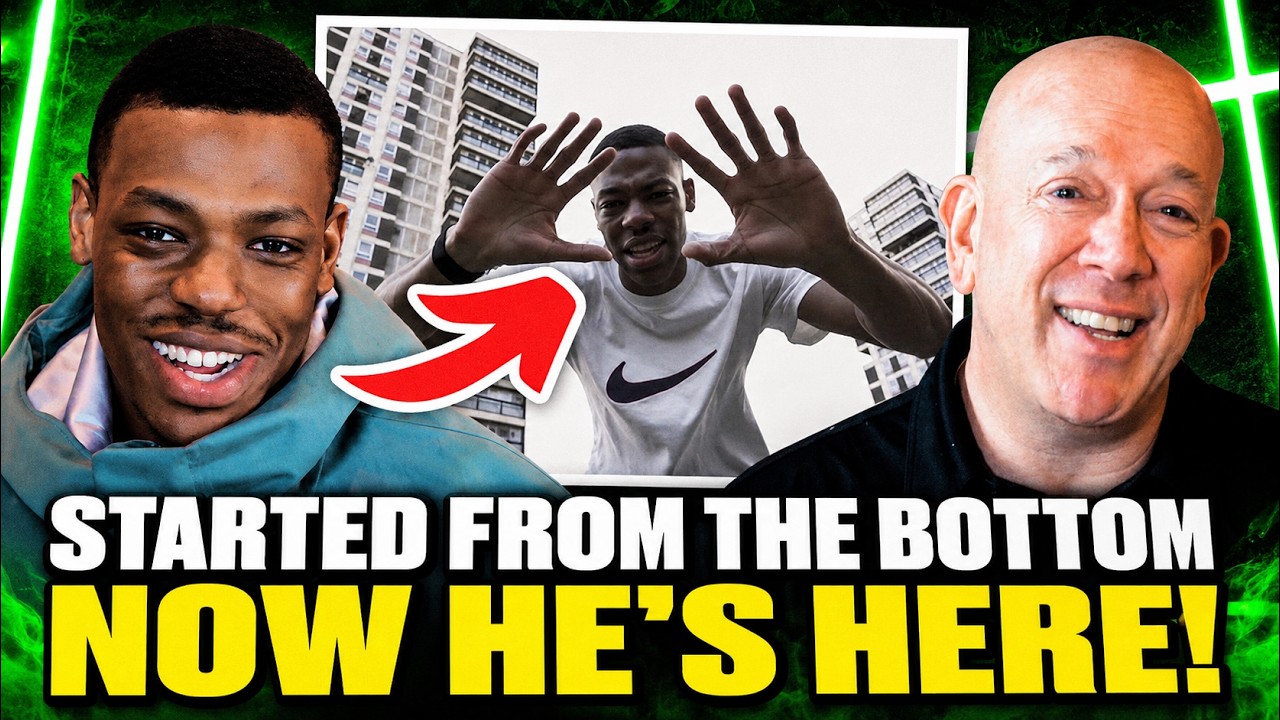
One of the artists leading that charge is South London rapper and producer Duppy. During an appearance on the Tales from the Trap podcast, Duppy opened up about his upbringing, the beginning of his music career, his MOBO nominations and his transition from recording artist to actor.
It is a journey shaped by independence, determination and a refusal to let setbacks decide his future.
Growing Up in South London
Duppy grew up around Peckham and Camberwell in South London. Although he was surrounded by many of the challenges associated with inner city life, he credits his family with helping him avoid becoming heavily involved in gang culture.
His mother worked hard to keep him on the right path, while his two older brothers offered guidance based on their own experiences. That support gave him a clearer understanding of where certain choices could lead.
Duppy was also academically capable. He performed well at school, continued into sixth form and went to university. The difficulty was never learning. Instead, his outgoing personality sometimes attracted distractions.
He describes himself as someone who learned how to balance different environments. He could keep his head down when necessary while still being comfortable among the people around him. That ability has helped him navigate both life and the music industry.
From Producing Beats to Becoming a Grime MC
Despite now being recognised for his rapid delivery and confident performances, Duppy did not originally plan to become a rapper.
His first passion was production.
Influenced by his older brother and other musical members of his family, he began creating instrumentals. The problem was that nobody wanted to use them. Before long, he had built a collection of beats that were going nowhere.
Duppy already knew he could rap. Like many young people discovering grime, he had tested his ability in playground sessions and informal performances with friends. However, he had never seriously considered becoming an artist.
Eventually, the unused beats changed his mind. If nobody else was going to vocal them, he would do it himself.
After attending open mic events and uploading clips to social media, one video began attracting noticeably more attention. That response convinced him to explore the possibility of becoming a recording artist.
In November 2019, Duppy released his self-produced debut single, “Clean Sheet”. From there, his career began moving quickly.
Building an Independent Music Career
Duppy has remained independent throughout his career. Rather than relying on a record label, he has built his reputation through releases, radio sets, live performances and relationships within the grime community.
The close-knit nature of the scene helped his music reach established figures. After releasing his first single, he received encouragement from respected names and started appearing at more sets and events.
That community became an important part of his development. It gave him opportunities to sharpen his skills, collaborate with other artists and establish himself as more than another newcomer online.
His growing catalogue has included collaborations with some of the scene’s most recognisable names, including P Money, Scorcher and DJ Zinc. However, independence remains central to his identity.
Duppy is not simply performing over other people’s music. He is producing, writing and shaping his own sound.
How Social Media Changed Grime Promotion
Duppy entered the scene in 2019, but even during his relatively short career, the way artists promote music has changed dramatically.
When he started, Instagram and Twitter were the main platforms. TikTok had not yet become the dominant force it is today, and short-form content had not completely reshaped how audiences discovered music.
Now, artists are expected to capture attention within seconds. Songs, performances and music videos are frequently broken into clips designed for TikTok and Instagram Reels.
In earlier eras, an MC might build momentum by performing at numerous raves and getting DJs to play their record. Today, the digital equivalent is releasing a clip that goes viral.
This presents opportunities, but it also creates pressure. Audiences have more content competing for their attention, songs are becoming shorter and traditional music videos no longer carry the same influence they once did.
Duppy’s advice to emerging artists is simple: be yourself.
Originality creates space. Copying somebody else places an artist into an already crowded lane. He also believes image matters, from clothing and communication to the way an artist presents themselves publicly. That image should feel like a natural extension of their personality rather than something manufactured.
Two MOBO Nominations and a Major Career Milestone
Duppy received his first MOBO nomination in 2024. The recognition arrived unexpectedly while he was focused on working, releasing music and performing wherever possible.
He woke to messages and phone calls telling him he had been nominated. For an artist who had grown up watching the MOBO Awards with his family, attending the ceremony felt surreal.
The experience also brought imposter syndrome. Surrounded by established artists, Duppy found himself reflecting on everything he had experienced before reaching that room.
A second nomination confirmed that the first was not simply a one-off. Being recognised alongside major names such as Bugzy Malone and Scorcher demonstrated that his work was reaching the right people.
Rather than allowing the recognition to make him complacent, Duppy viewed it as reassurance that he was moving in the right direction. It reminded him that progress is not always immediately visible and that artists never truly know who is paying attention.
Staying Positive Through Setbacks
Duppy’s career has not been without difficult moments. One of the biggest came when he broke his ankle and elbow shortly before filming a lead role in Tales from the Trap.
The injuries meant he could no longer fulfil the original part. However, once he had recovered enough to return, the production created another role that allowed him to make his acting debut.
Although it was a major disappointment, Duppy chose to find the positive. The experience introduced him to acting, established relationships with the filmmaking team and left the door open for future opportunities.
That response reflects his wider mindset. Duppy describes himself as optimistic and determined, qualities he developed by watching his parents work hard. His approach is to avoid wasting energy on situations he cannot control and concentrate on the actions he can take.
A Debut Album and the Next Chapter
Duppy also revealed that he has been working on his debut album. The project features 15 tracks, all produced by him.
Creating the music has come naturally. Finding the time has been considerably harder. Alongside his career, Duppy continues to work a regular job and balance family responsibilities, studio sessions and live performances.
He is also determined to perform more consistently. For Duppy, live shows are an essential part of grime culture. The connection between an MC and a crowd cannot be recreated entirely through social media.
Having already appeared at major events including Big Smoke Festival at Crystal Palace Park, he knows what it feels like to perform in front of thousands of people. The ambition is now to experience that more regularly while exploring genres including drum and bass, garage, breakbeat and rap.
Duppy’s journey demonstrates what the future of UK grime can look like: independent, adaptable and grounded in the culture that created it.
From producing unused beats in South London to earning two MOBO nominations, creating a debut album and appearing on the big screen, his progress has been anything but accidental. It is the result of patience, self-belief and a willingness to keep working, even when the path changes unexpectedly.