For millions of viewers, Saturday nights in the 1990s meant one thing: Gladiators.
The hit television show transformed a group of powerful athletes into household names, but few were as intimidating or memorable as Shadow. With his imposing physique, intense stare and relentless competitive spirit, Shadow became one of the most dominant figures in the programme’s history.
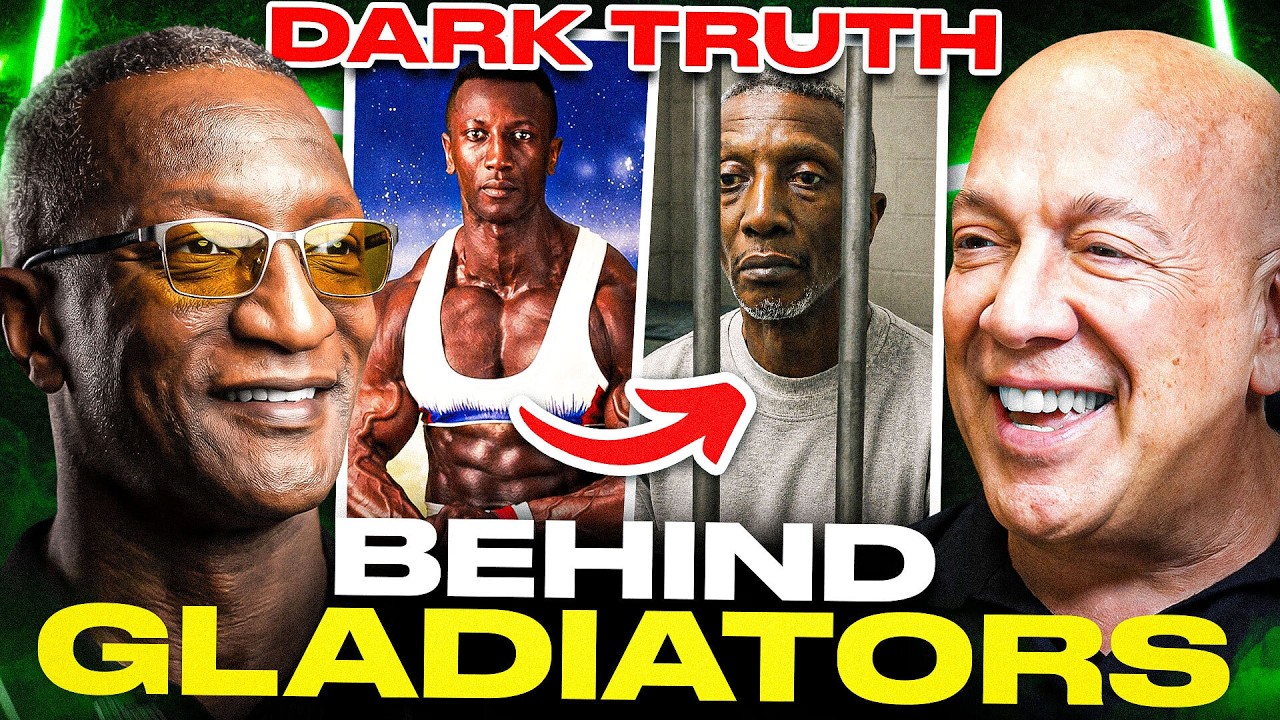
Behind the character was Jefferson King, a talented bodybuilder and athlete whose life would eventually move from prime-time television to addiction, crime and prison. His story is not simply about the rise and fall of a celebrity. It is about identity, accountability and the difficult journey of rebuilding a life that had spiralled out of control.
From London to American Football
Jefferson King spent part of his childhood near Heathrow before moving to New York to live with his mother at around 14 years old. The move placed him in a completely different environment, forcing him to adapt to American school life and the streets of the Bronx.
It was during his teenage years that King became interested in bodybuilding. After seeing a photograph of Arnold Schwarzenegger in a changing room, he decided he wanted to develop a similar physique.
King was already playing American football, so strength training formed part of his routine. His ambitions grew quickly, and he eventually attempted to break into the professional game.
He attended trials connected with teams including the Los Angeles Rams and Dallas Cowboys. Despite possessing an impressive physique, coaches believed he lacked the necessary speed, flexibility and coordination.
The rejection did not end his sporting career. King travelled across Europe, playing and coaching American football in Sweden, France and Germany before eventually returning to London.
Becoming a Champion Bodybuilder
Alongside American football, King built an impressive bodybuilding career.
He says he became the only person to win the Junior Britain title three times in succession. He also competed in New York and finished second in a major international bodybuilding competition while pursuing his professional card.
By this stage, King had developed the enormous physique that would later make him perfect for Gladiators. He stood at a similar height to Schwarzenegger and was viewed as one of Britain’s most promising black bodybuilders.
However, his career changed direction when he learned that a British version of American Gladiators was being created.
A friend encouraged him to apply, believing his size, strength and personality would make him ideal for the programme.
How Jefferson King Became Shadow
The Gladiators selection process was physically demanding.
King attended trials at an army barracks in Woolwich, where applicants faced assault courses, rope climbs and fitness tests supervised by military instructors. Thousands of people were believed to have applied, but King successfully earned a place in the original cast.
He was given the name Shadow, a character that matched his intense and intimidating approach.
Shadow did not want to become friendly with contestants before facing them. King believed his responsibility was to provide a genuine challenge, so he deliberately avoided conversations until competitors had completed their events.
That attitude helped make Shadow one of the programme’s most convincing and feared Gladiators.
He was especially dominant on Duel, where contestants attempted to knock a Gladiator from a raised platform using padded pugil sticks. King studied each opponent’s balance, stance and eye movements before deciding how to attack.
His competitive mindset made him a vital part of the show’s appeal.
The Extraordinary Success of Gladiators
Gladiators quickly became one of the biggest programmes on British television.
King recalls appearing in arenas holding more than 10,000 spectators, with two shows sometimes being filmed in a single day. Once the first series aired, the cast began to understand how famous they had become.
On one occasion, King and fellow Gladiator Flame accidentally walked into an area filled with spectators and were immediately surrounded by excited fans. He also remembered being unable to complete an ordinary supermarket trip because so many people recognised him.
Despite the programme’s enormous popularity, King says the Gladiators were not paid as generously as viewers might have assumed.
He earned approximately £500 per show during the first series, increasing to around £700 or £750 later. The cast did not receive merchandise royalties, despite Shadow being one of the characters featured heavily in toys and other products.
Personal appearances offered additional income, but the sudden fame arrived without meaningful financial education or guidance about navigating the entertainment industry.
The Sudden Fall of Shadow
As Gladiators became more popular with younger audiences, the cast began facing drug tests.
King tested positive for performance-enhancing substances and was called into a meeting with the programme’s producer. He was told that he could no longer continue as Shadow.
At around the same time, King was targeted by a damaging tabloid story involving allegations about cocaine use. He disputes important details of the report, but the combined controversy brought his Gladiators career to an abrupt end.
The impact was immediate.
One day, King was Shadow, a television star receiving free products, driving a personalised vehicle and being recognised everywhere. The next, he felt stripped of his identity and pushed into the wilderness.
There was no structured support system to help him process the loss of fame, income and purpose.
Addiction, Crime and Prison
Following his departure from Gladiators, King’s life became increasingly unstable.
He describes spending years moving between places and surrounding himself with the wrong people. Drug use became more serious, offering temporary relief while creating far greater problems once the effects faded.
Addiction changed his priorities. Instead of simply wanting drugs, he began to feel that he needed them. Money became essential, and King admits he turned to crime to support his lifestyle.
His offences escalated from fraud and theft to more serious criminal activity. Eventually, he was convicted of false imprisonment and blackmail, receiving a sentence of six and a half years.
Rather than presenting prison as something glamorous, King describes the violence, isolation and traumatic incidents he witnessed. These included prisoners attempting or completing suicide, experiences that continued to affect him after his release.
How Prison Helped Jefferson King Change
King believes his final prison sentence gave him the time and structure he needed to confront his behaviour.
Previous short sentences had not discouraged him. They felt temporary and failed to address the deeper issues behind his addiction and criminality. A longer period of confinement forced him to think seriously about where his life was heading.
He accepted that no one else could create change for him.
Recovery required personal accountability, consistency and a willingness to establish a new direction. King began thinking about his children, his future and the legacy he wanted to leave behind.
Prison did not erase the consequences of his decisions, but it gave him an opportunity to organise his thoughts and begin rebuilding.
A New Purpose After Gladiators
Since leaving prison, Jefferson King has focused on health, fitness, mental wellbeing and motivational content.
With encouragement from his son, he began posting regularly on social media. What initially felt unfamiliar gradually became a platform through which he could discuss addiction, discipline, accountability and personal transformation.
His message is shaped by experience.
King understands how quickly success can disappear and how easily addiction can take control. He also recognises that recovery is never something to take for granted. In his view, returning to destructive habits can begin with a single decision.
Today, he hopes to help people who feel lost or lack direction. Through online coaching, social media and his planned autobiography, he wants to demonstrate that a person’s worst period does not have to define the rest of their life.
The Real Battle Behind Shadow
Shadow will always be remembered as one of the strongest and most intimidating Gladiators of the 1990s.
However, Jefferson King’s greatest battle took place long after the arena lights had been switched off.
His story reveals the psychological cost of sudden fame, the destruction caused by addiction and the importance of taking responsibility for personal change. It is a difficult story filled with missed opportunities and serious consequences, but it is also one of survival.
King cannot rewrite his past, but he can use it to guide others.
For the man once presented as a symbol of physical strength, the most important victory may ultimately be finding the mental strength to rebuild his life.